
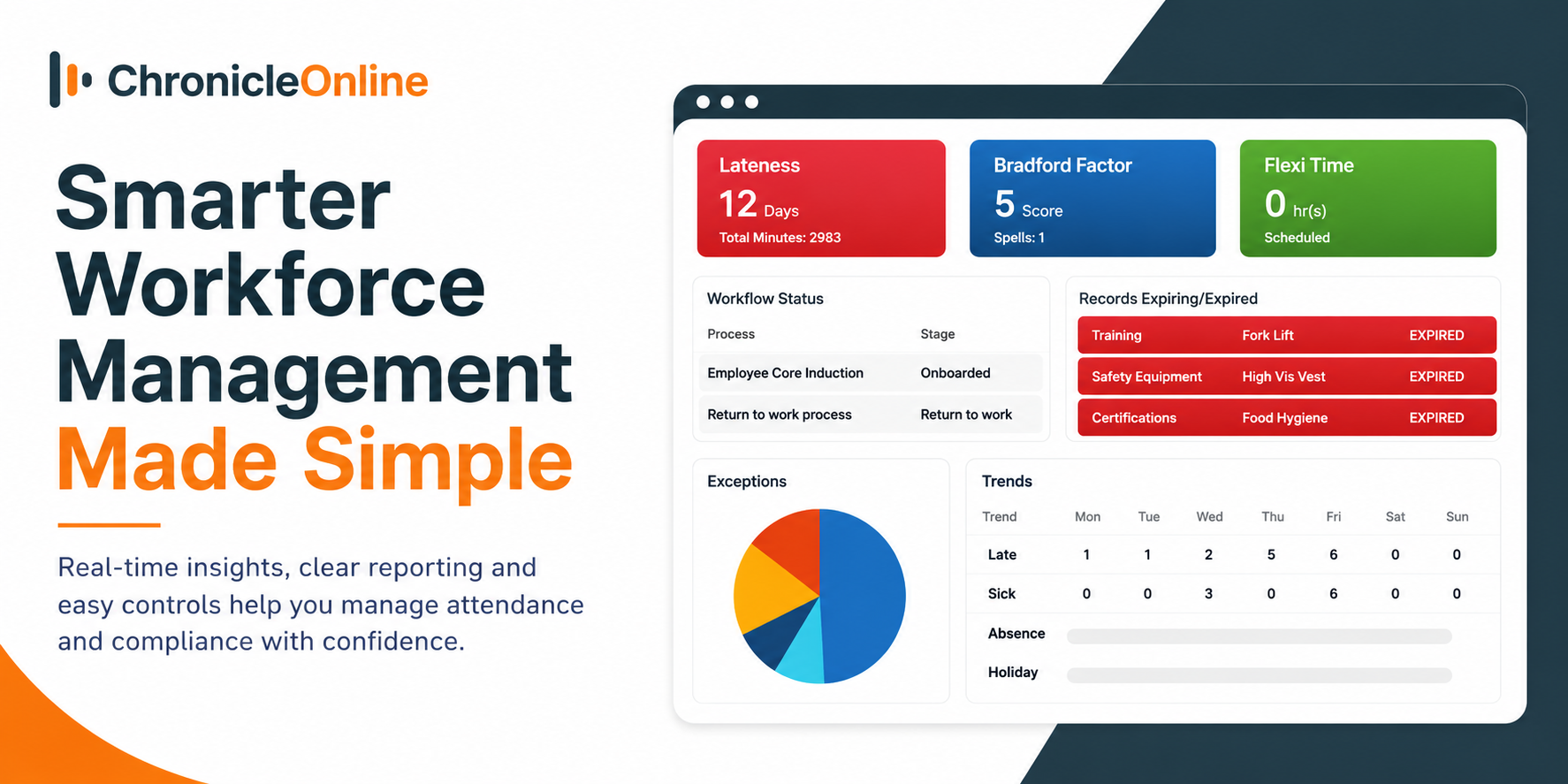
Managing employees efficiently has become one of the biggest priorities for businesses of every size. From tracking attendance to monitoring working hours and maintaining accurate records, every process contributes to smoother day-to-day operations. Organisations that rely on outdated methods often face unnecessary delays, paperwork and administrative challenges. Modern workforce management provides a practical way to simplify routine tasks, helping employers focus on productivity, compliance and employee satisfaction while reducing the burden of manual administration.
Businesses looking to improve payroll preparation can benefit from reliable solutions such as staffology payroll software, which supports accurate employee records and helps reduce payroll-related mistakes. When attendance data, working hours, and employee information are organised in one place, payroll processing becomes far more straightforward. Clear records also make it easier to meet workplace requirements while reducing time spent checking spreadsheets and paper timesheets.
Why Efficient Workforce Management Matters
A well-managed workforce creates a stronger business. Employees perform better when schedules are organised, attendance is accurately monitored, and managers have access to reliable information. Delays caused by missing records or manual calculations can affect productivity and create unnecessary frustration.
An organised system provides managers with greater visibility of staffing levels, allowing them to make informed decisions when allocating resources. It also improves communication across departments by ensuring everyone works from the same information. As businesses grow, these advantages become increasingly valuable, helping operations remain consistent without increasing administrative workload.
Accurate workforce records also contribute to better planning. Managers can identify attendance patterns, prepare rotas more effectively and respond quickly to changing business requirements.
Reducing Administrative Burden
Manual record-keeping often leads to duplicate work and avoidable errors. Paper files require storage, spreadsheets need regular updating and information can easily become inconsistent when handled by multiple people.
Digital workforce management reduces these issues by keeping records organised and easily accessible. Employee details, attendance information and leave records can all be managed from a central location, allowing authorised users to find information quickly whenever required.
Reducing administration saves valuable working hours that can instead be spent on supporting employees, improving customer service and developing the business.
Supporting Flexible Working Arrangements
Modern workplaces increasingly offer employees greater flexibility in how they complete their working hours. Different shift patterns, hybrid working and varying start and finish times all require accurate monitoring to ensure fairness across the workforce.
Businesses that successfully introduce flexi time working benefit from improved employee morale while maintaining operational control. Reliable attendance records help managers monitor hours worked, maintain consistency and ensure staffing requirements continue to be met without unnecessary confusion.
Flexible arrangements can also improve staff retention. Employees often appreciate greater control over their schedules, while employers benefit from improved engagement and productivity.
Better Visibility Through Accurate Reporting
Reliable reporting helps businesses understand how their workforce is performing. Attendance reports, absence trends, and working hour summaries provide useful information that supports better decision-making.
Managers can quickly identify recurring issues, recognise positive attendance patterns and plan staffing levels based on actual data rather than assumptions. Having access to accurate reports also supports budgeting, workforce planning and operational improvements.
Clear reporting helps businesses remain prepared for audits or internal reviews, providing confidence that employee records are complete and well organised.
Improving Employee Experience
Employees value workplaces that operate fairly and transparently. Accurate attendance records reduce disagreements over working hours, overtime and holiday balances. Staff can feel more confident knowing their information is recorded consistently and managed professionally.
An organised approach also improves communication between employees and management. Requests for leave, attendance queries and working hour records become easier to manage, creating a more positive workplace environment.
When administrative processes run smoothly, employees spend less time dealing with paperwork and more time focusing on their responsibilities.
Planning for Future Growth
As businesses expand, workforce management becomes increasingly complex. More employees often mean additional departments, varied shift patterns, and greater administrative responsibilities.
Preparing for growth requires systems that can support increasing workloads without creating unnecessary complications. Investing in organised workforce processes allows businesses to scale more effectively while maintaining accurate records and efficient operations.
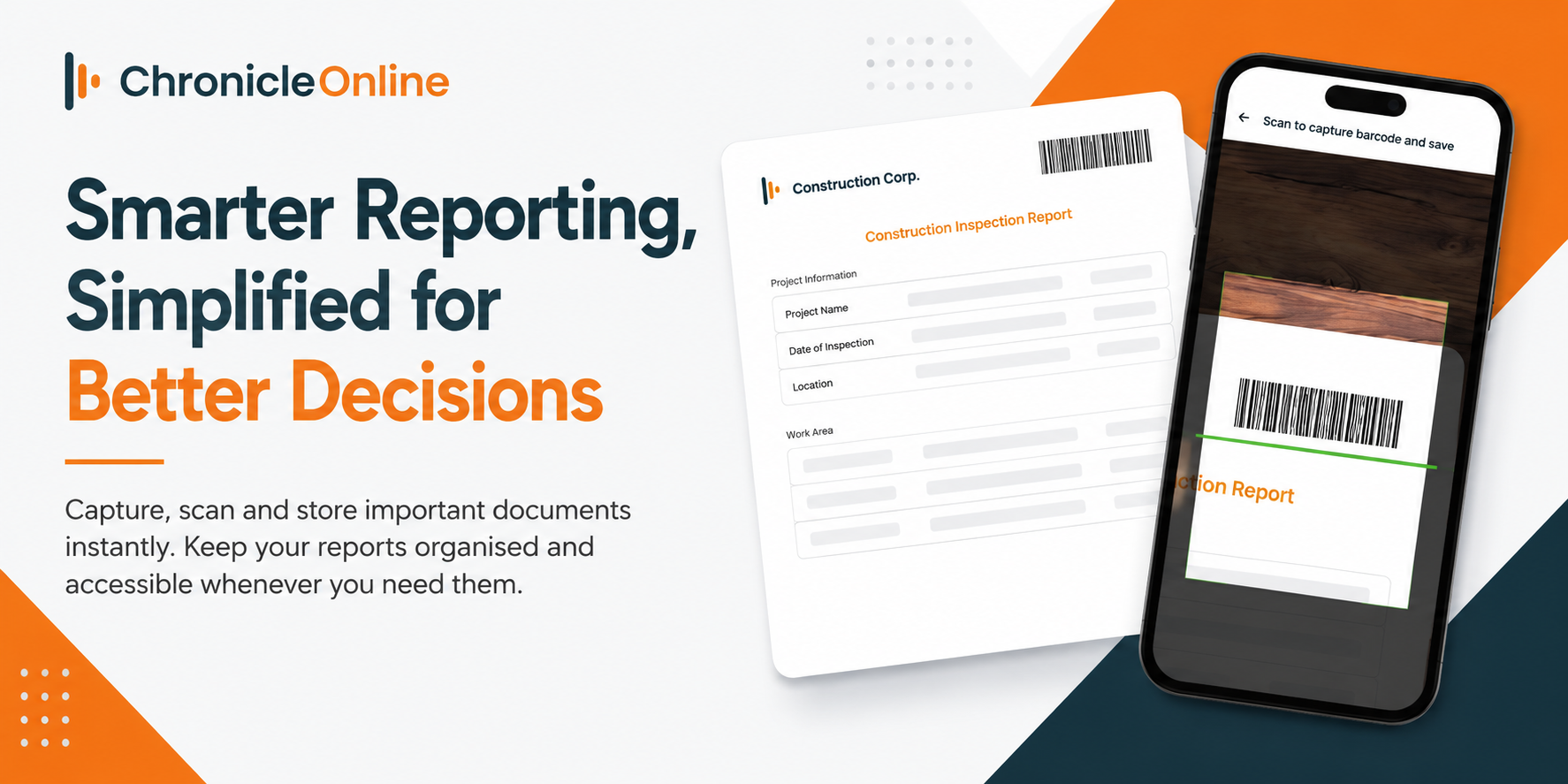
Good planning also helps maintain consistency across multiple locations or departments, ensuring every employee follows the same attendance and record-keeping procedures.
Building Stronger Business Performance
Effective workforce management contributes to improved productivity, better communication and stronger operational control. By replacing manual processes with organised digital records, businesses can reduce administration, improve accuracy and make informed management decisions.
Solutions that integrate attendance tracking with wider business processes can also support project planning and financial oversight. Combining workforce information with job costing software enables organisations to understand labour costs more clearly while supporting informed budgeting and project management. Chronicle Online provides practical workforce management tools that help UK businesses streamline daily operations, improve record-keeping and create a more organised working environment.
Frequently Asked Questions
1. Why is workforce management important for businesses?
Effective workforce management helps businesses keep accurate employee records, monitor attendance, organise working hours and reduce administrative tasks. It also improves productivity, supports compliance and makes day-to-day operations more efficient.
2. How can digital attendance tracking improve business efficiency?
Digital attendance tracking removes the need for manual timesheets and paper records. It provides accurate working hour data, reduces errors, speeds up payroll preparation, and gives managers instant access to attendance information.
3. Can workforce management software support growing businesses?
Yes. As a business expands, workforce management software helps manage larger teams, multiple work schedules and increasing administrative tasks. It provides organised records, reliable reporting and greater visibility to support long-term business growth.